When the Booth Becomes the Experience
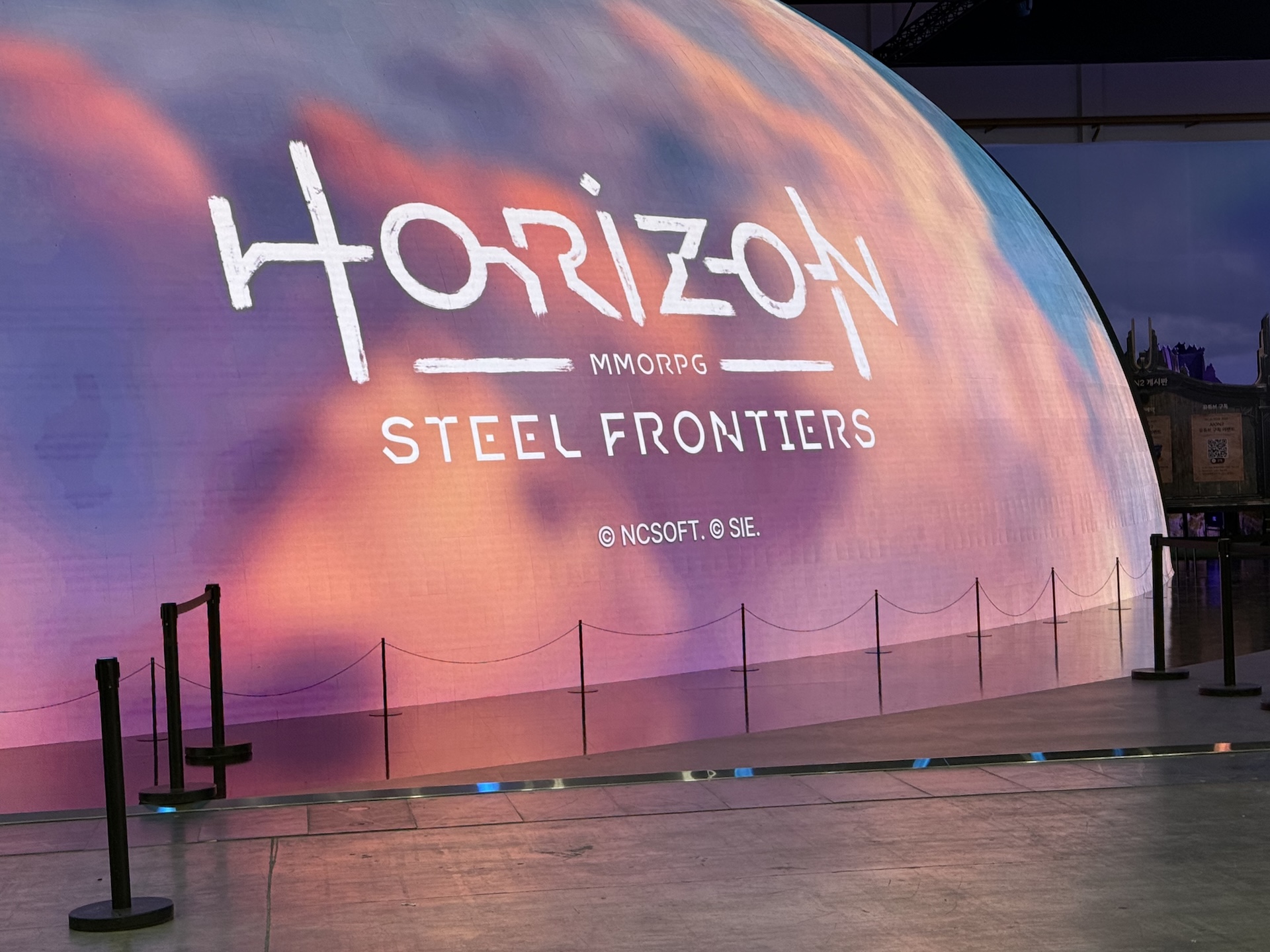
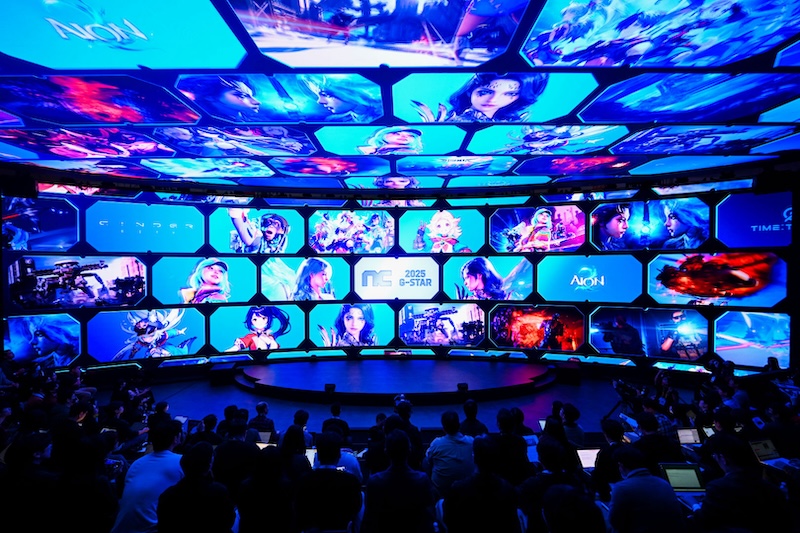
At G-STAR 2025, NCSOFT turned their 2,700㎡ exhibition into something more than a booth—they created a destination. The centerpiece? NC CINEMA, a massive dome LED theater that wrapped visitors in game worlds rather than just showing them on screens.
This wasn't a small experiment. It was the largest exhibition at Korea's premier gaming show, and it worked because of one strategic choice: spherical LED architecture as the emotional core.
The NC CINEMA: Theater Technology in Action
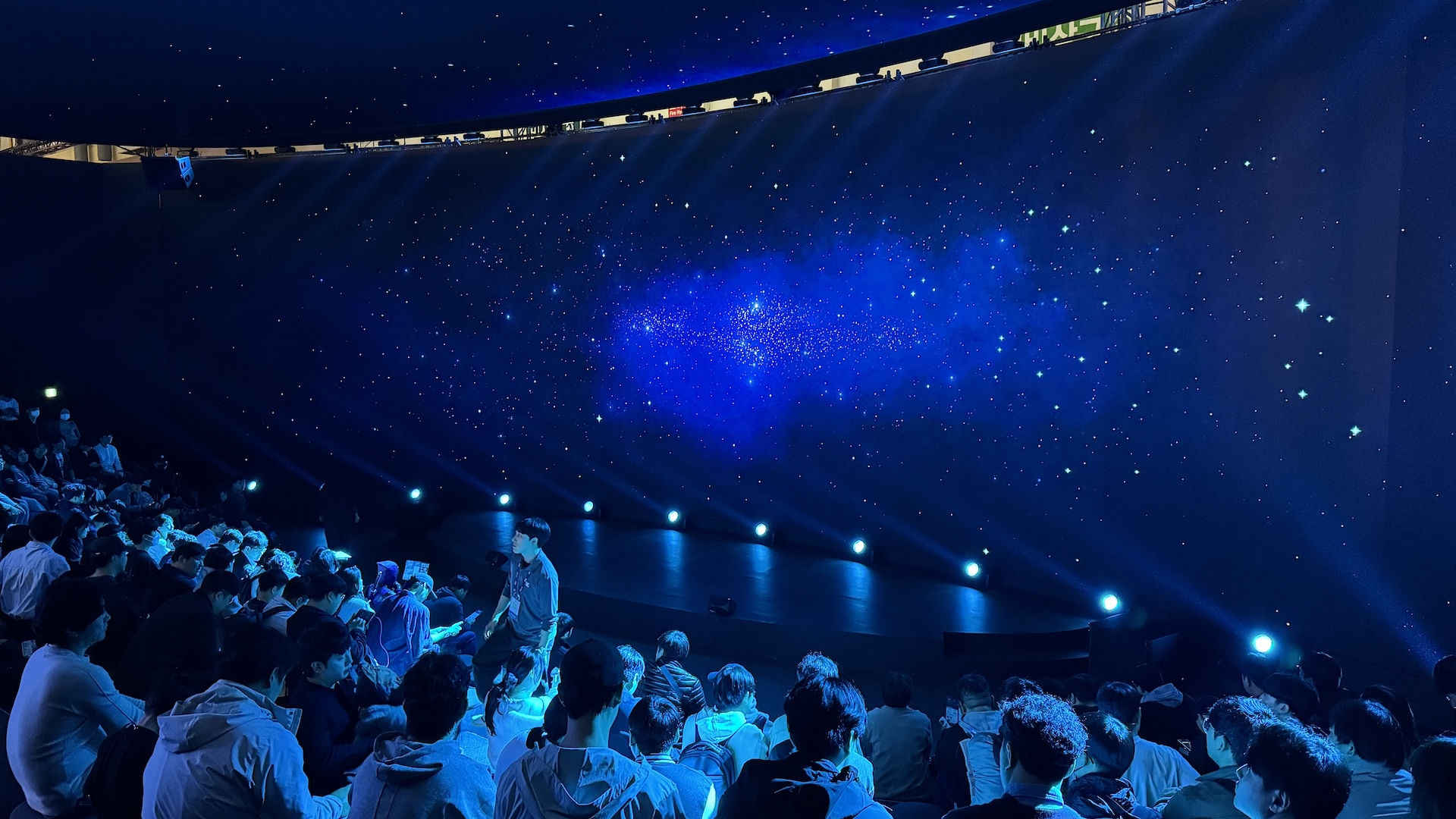
The NC CINEMA used curved display panels to create a hemisphere where game trailers, cinematics, and live presentations surrounded audiences. Content was specifically mapped to the dome's geometry—what you'd see on a flat screen was pre-warped to look correct when wrapped around the sphere.
This installation served multiple purposes throughout the event. Game reveals played during peak hours. Between presentations, ambient content kept the space visually active. The structure functioned as both theater and beacon, visible from across the exhibition hall.
Why It Worked
Traditional booths compete for attention with dozens of flat screens. A dome LED theater creates its own gravity. NCSOFT's installation drew crowds from across BEXCO before visitors even knew what games were being shown. The architecture itself became the marketing.
Extending the Theater Concept
NCSOFT understood that one impressive display wasn't enough. They continued the immersive approach throughout their floor space.
AION2 demo areas used curved panels along walls, maintaining the cinematic visual language while players tested gameplay. Light and shadow divided the space physically, matching the game's faction conflict.
Cinder City utilized smaller spherical configurations to create wraparound environments matching the game's futuristic Seoul setting. The curved displays extended the game world beyond monitor boundaries.
Even outdoor installations at Busan Station featured dome elements, creating a narrative thread from the train station to the exhibition booth.
Why Gaming Exhibitions Need This Approach
Emotional Impact Over Information Density
Traditional booths pack in multiple screens, demo stations, and competing signage. Dome LED theater systems invert this—one unified visual experience generates emotional resonance first. Technical details follow, but the initial impression of standing inside a game world creates memories flat screens cannot.
Social Amplification
Gaming exhibitions compete for social media attention as much as foot traffic. Standing inside a spherical display surrounded by game content creates inherently shareable moments. NCSOFT's NC CINEMA became G-STAR's most photographed feature—free marketing beyond the 262,000+ attendees.
Scalable Architecture
The technology adapts to various spatial constraints. NC CINEMA was massive, but the same principles work for intimate installations in limited floor space. Modular LED panels create tight or gradual curves, complete hemispheres or partial arcs, matching content requirements and budget realities.

Technical Essentials
Content Mapping: Standard video distorts on curved surfaces. Content must be pre-warped for dome geometry—specialized rendering ensures cinematics maintain proper proportions from any viewer position.
Pixel Pitch: Balance image clarity with costs. For large installations where viewers stand 5-10 meters away, moderate pixel pitch maintains immersion without unnecessary expense.
Structural Considerations: LED panels, mounting hardware, and power systems create significant weight. Exhibition venues have load limits. Curves also affect airflow and heat dissipation—critical for component lifespan and visitor comfort.
The Theater Model is the Future
When a major publisher like NCSOFT centers their entire exhibition strategy around dome LED theater technology, it signals industry-wide change. These installations are moving from experimental to expected.
As LED costs decline and content tools mature, spherical theaters will proliferate across gaming conventions globally. The question isn't whether to adopt this approach—it's how quickly, before domes become standard rather than standout.
NCSOFT's NC CINEMA wasn't just successful tactics. It was a blueprint for merging physical space, digital content, and emotional storytelling into unified immersive environments.